LAPT
London Academy of Professional Training
Master Certificate
Level 6-7
Leadership
ISO Environmental Sustainability
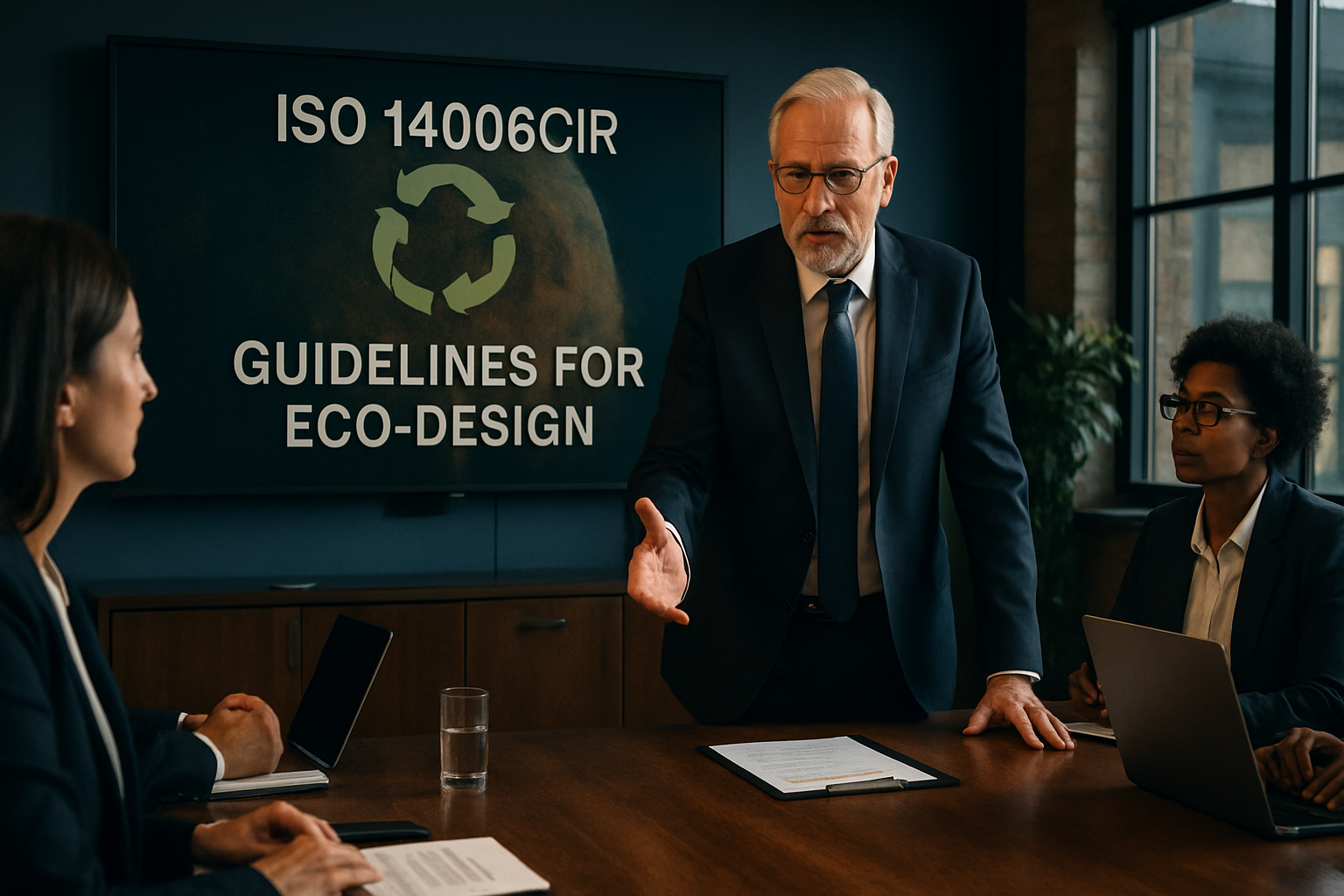
ISO 14006CIR — Guidelines for Eco-Design
REF: ENV-CIR-14006CIR
Who Is It For
This certification is tailored for senior managers, team leaders, and sustainability executives with a minimum of five years' experience in environmental management or related fields, who aim to enhance their strategic approach to eco-design and sustainability.
Prerequisites
None
Awarding Body: LAPT — London Academy of Professional Training
Curriculum Overview
1
Assessment and Evaluation Techniques
Introduction to Assessment Techniques in Eco-Design
6 classes
1.1 Define Key Concepts in Eco-Design Assessment
1.2 Identify Sustainable Assessment Criteria for Products
1.3 Explore Quantitative vs. Qualitative Assessment Methods
1.4 Analyze Case Studies on Eco-Design Successes and Failures
1.5 Develop a Framework for Eco-Design Assessments
1.6 Create an Action Plan to Implement Eco-Design Assessments
Evaluating Eco-Design Strategies and Principles
6 classes
2.1 Analyze Eco-Design Principles in Practice
2.2 Identify Key Performance Indicators for Eco-Design
2.3 Evaluate Life Cycle Assessment (LCA) Methodologies
2.4 Compare Success Metrics of Eco-Design Strategies
2.5 Assess Stakeholder Feedback on Eco-Design Implementations
2.6 Develop a Framework for Continuous Improvement in Eco-Design
Tools for Measuring Environmental Impact
6 classes
3.1 Identify Key Environmental Impact Indicators
3.2 Analyze Life Cycle Assessment Tools
3.3 Evaluate Carbon Footprint Measurement Techniques
3.4 Utilize Eco-Design Assessment Frameworks
3.5 Implement Strategies for Data Collection and Analysis
3.6 Present Findings and Recommendations for Improvement
Integrating Stakeholder Feedback into Assessments
6 classes
4.1 Identify Key Stakeholders for Effective Feedback
4.2 Analyze Stakeholder Needs and Expectations
4.3 Develop Structured Feedback Channels for Assessments
4.4 Collect and Organize Stakeholder Feedback Data
4.5 Evaluate Feedback for Integration into Assessment Criteria
4.6 Implement Changes Based on Stakeholder Feedback and Assess Outcomes
Advanced Evaluation Techniques and Case Studies
6 classes
5.1 Analyze Contemporary Case Studies in Eco-Design
5.2 Evaluate the Effectiveness of Eco-Design Principles
5.3 Apply Advanced Evaluation Techniques to Project Scenarios
5.4 Compare Quantitative and Qualitative Assessment Methods
5.5 Develop a Comprehensive Evaluation Framework
5.6 Present Findings from Evaluation Techniques to Stakeholders
2
Innovative Design Solutions
Understanding Eco-Design Principles and Circular Economy Concepts
6 classes
1.1 Define Eco-Design and Its Importance
1.2 Explore the Key Principles of Eco-Design
1.3 Investigate the Concept of Circular Economy
1.4 Analyze the Relationship Between Eco-Design and Circular Economy
1.5 Identify Real-World Examples of Eco-Design Implementation
1.6 Develop a Concept Proposal Using Eco-Design Principles
Identifying Environmental Impacts in Product Design
6 classes
2.1 Analyze Lifecycle Stages of Products
2.2 Identify Potential Environmental Impacts
2.3 Evaluate Materials for Eco-Friendliness
2.4 Assess Design Processes for Sustainability
2.5 Implement Strategies for Reducing Footprint
2.6 Create an Eco-Design Action Plan
Integrating Eco-Design Strategies into Product Development
6 classes
3.1 Identify Key Principles of Eco-Design
3.2 Assess Environmental Impacts of Product Lifecycle
3.3 Develop Eco-Design Criteria for New Products
3.4 Integrate Sustainable Materials into Design Process
3.5 Create Prototypes Incorporating Eco-Design Features
3.6 Evaluate Eco-Design Strategies through Case Studies
Tools and Techniques for Innovative Eco-Design
6 classes
4.1 Analyze Eco-Design Principles for Sustainable Solutions
4.2 Identify Tools for Conducting Eco-Design Assessments
4.3 Develop Innovative Concepts Using Eco-Design Mind Mapping
4.4 Implement Life Cycle Assessment (LCA) Techniques in Design
4.5 Evaluate Material Selection for Enhanced Sustainability
4.6 Create a Prototype Incorporating Eco-Design Strategies
Implementing and Evaluating Eco-Design Solutions
6 classes
5.1 Define Key Principles of Eco-Design
5.2 Assess Current Design Processes for Sustainability
5.3 Identify Eco-Design Solutions for Innovative Projects
5.4 Develop a Framework for Implementing Eco-Design Strategies
5.5 Establish Metrics for Evaluating Eco-Design Effectiveness
5.6 Present and Share Best Practices in Eco-Design Implementation
3
Sustainability Leadership
Understanding Eco-Design Principles
6 classes
1.1 Define Eco-Design and Its Importance in Sustainability
1.2 Explore Key Principles of Eco-Design
1.3 Identify Stakeholders in Eco-Design Processes
1.4 Assess Environmental Impact of Design Choices
1.5 Analyze Case Studies of Successful Eco-Design Implementations
1.6 Develop an Eco-Design Plan for a Product or Service
Integrating Circular Economy Concepts
6 classes
2.1 Define Circular Economy Principles and Their Importance
2.2 Identify Key Sustainable Practices in Eco-Design
2.3 Assess Current Product Lifecycles for Circularity
2.4 Explore Innovative Materials for Sustainable Design
2.5 Develop Strategies for Stakeholder Engagement in Eco-Design
2.6 Create an Action Plan for Implementing Circular Economy Concepts
Frameworks for Implementing ISO 14006 Guidelines
6 classes
3.1 Analyze the Key Principles of ISO 14006 Guidelines
3.2 Identify Stakeholders in Eco-Design Implementation
3.3 Evaluate Current Practices Against ISO 14006 Standards
3.4 Develop a Step-by-Step Action Plan for Eco-Design
3.5 Measure the Impact of Eco-Design Initiatives
3.6 Communicate Sustainability Strategies to Leadership
Leadership Strategies for Promoting Sustainability
6 classes
4.1 Define Eco-Design Principles and Their Importance in Leadership
4.2 Identify Key Stakeholders in Sustainability Initiatives
4.3 Develop Strategies for Effective Communication of Sustainability Goals
4.4 Analyze Case Studies of Successful Sustainability Leadership
4.5 Create an Action Plan for Implementing Eco-Design Strategies
4.6 Evaluate the Impact of Leadership on Sustainability Culture in Organizations
Measuring and Communicating Sustainability Impact
6 classes
5.1 Define Key Sustainability Metrics for Impact Assessment
5.2 Analyze Data Sources for Measuring Sustainability Outcomes
5.3 Develop a Framework for Communicating Sustainability Impact
5.4 Create Effective Sustainability Reports for Stakeholders
5.5 Use Visual Tools to Communicate Sustainability Data
5.6 Design a Sustainability Impact Presentation for Leadership
4
Circular Economy Strategies
Understanding the Circular Economy: Principles and Benefits
6 classes
1.1 Define the Circular Economy: Key Principles and Concepts
1.2 Explore the Differences Between Linear and Circular Economies
1.3 Identify the Environmental Benefits of a Circular Economy
1.4 Analyze Economic Impacts of Implementing Circular Practices
1.5 Examine Social Benefits and Community Engagement in Circular Economies
1.6 Develop a Simple Action Plan for Circular Economy Implementation
Eco-Design Frameworks: Tools and Practices
6 classes
2.1 Identify Key Eco-Design Principles for Circular Economy
2.2 Analyze Existing Eco-Design Frameworks and Their Effectiveness
2.3 Evaluate Tools for Assessing Environmental Impact in Design
2.4 Implement Lifecycle Assessment Techniques in Eco-Design
2.5 Develop Strategies for Integrating Circular Practices in Design
2.6 Create a Practical Eco-Design Project Using Selected Tools
Materials Management in Circular Economy: Selection and Sourcing
6 classes
3.1 Identify Sustainable Materials for Circular Design
3.2 Evaluate Sourcing Strategies for Eco-Friendly Procurement
3.3 Analyze the Life Cycle of Materials in Circular Economy
3.4 Develop Criteria for Selecting Key Suppliers in Eco-Design
3.5 Implement Best Practices for Material Waste Reduction
3.6 Create a Materials Management Plan Aligned with Circular Economy Principles
Lifecycle Assessment for Circular Economy Strategies
6 classes
4.1 Understand the Principles of Lifecycle Assessment
4.2 Identify Key Stages in the Lifecycle of a Product
4.3 Analyze Environmental Impacts at Each Lifecycle Stage
4.4 Apply Lifecycle Assessment to Evaluate Product Design
4.5 Compare Traditional vs. Circular Economy Approaches
4.6 Develop a Lifecycle Assessment for a Circular Economy Product
Implementing Circular Economy Strategies: Challenges and Solutions
6 classes
5.1 Identify Key Challenges in Implementing Circular Economy Strategies
5.2 Analyze Case Studies of Successful Circular Economy Implementation
5.3 Explore Innovative Solutions to Overcome Circular Economy Barriers
5.4 Assess the Role of Stakeholders in Circular Economy Transitions
5.5 Develop Action Plans for Circular Economy Strategy Implementation
5.6 Evaluate the Impact of Circular Economy Strategies on Business Practices
5
ISO Standards and Regulations
Understanding ISO 14006CIR: Fundamentals of Eco-Design
6 classes
1.1 Define Eco-Design Principles and Their Importance
1.2 Explore Key Concepts of ISO 14006CIR
1.3 Identify the Role of Stakeholders in Eco-Design
1.4 Analyze the Environmental Impact of Product Life Cycles
1.5 Implement Eco-Design Strategies in Practice
1.6 Evaluate Case Studies of Successful Eco-Design Applications
Key Components of the ISO 14006CIR Framework
6 classes
2.1 Identify the Core Principles of Eco-Design in ISO 14006CIR
2.2 Explore the Role of Stakeholder Engagement in Eco-Design
2.3 Analyze Life Cycle Assessment as a Tool for Eco-Design
2.4 Assess Environmental Impacts: Metrics and Measurement Techniques
2.5 Develop Eco-Design Strategies for Product Development Processes
2.6 Implement an Eco-Design Action Plan within an Organization
Integrating Eco-Design into Existing Systems
6 classes
3.1 Assess Current Systems for Eco-Design Compatibility
3.2 Identify Key Eco-Design Principles and Their Impacts
3.3 Develop an Integration Strategy for Eco-Design Practices
3.4 Customize Existing Processes to Incorporate Eco-Design
3.5 Implement Metrics for Evaluating Eco-Design Effectiveness
3.6 Present Case Studies of Successful Eco-Design Integration
Measuring and Evaluating Eco-Design Impact
6 classes
4.1 Define Eco-Design and Its Importance in ISO Standards
4.2 Identify Key Metrics for Measuring Eco-Design Impact
4.3 Explore Tools and Techniques for Evaluating Eco-Design Effectiveness
4.4 Analyze Case Studies of Successful Eco-Design Implementations
4.5 Develop a Framework for Measuring Eco-Design Outcomes
4.6 Present Findings and Recommendations for Future Eco-Design Strategies
Future Trends in Eco-Design and Circular Economy Compliance
6 classes
5.1 Explore the Principles of Eco-Design
5.2 Identify Key Components of Circular Economy Compliance
5.3 Analyze Future Trends Impacting Eco-Design Practices
5.4 Evaluate Case Studies on Successful Eco-Design Implementation
5.5 Develop Strategies for Integrating ISO 14006CIR Standards
5.6 Create an Action Plan for Adopting Circular Economy Principles
6
Eco-Design Principles
Understanding Eco-Design Principles
6 classes
1.1 Define Eco-Design and Its Importance in Sustainability
1.2 Identify Key Principles of Eco-Design
1.3 Explore the Life Cycle Assessment Process
1.4 Analyze Case Studies of Successful Eco-Design Implementations
1.5 Develop Eco-Design Strategies for Product Development
1.6 Create a Mini Eco-Design Proposal for Real-World Application
Life Cycle Assessment in Eco-Design
6 classes
2.1 Define Life Cycle Assessment and its Importance in Eco-Design
2.2 Identify the Phases of Life Cycle Assessment in Product Development
2.3 Analyze Environmental Impact Categories in Life Cycle Assessment
2.4 Conduct a Simple Life Cycle Assessment Case Study
2.5 Evaluate Tools and Software for Performing Life Cycle Assessments
2.6 Apply Life Cycle Assessment Findings to Improve Eco-Design Strategies
Material Selection and Resource Optimization
6 classes
3.1 Identify and Evaluate Sustainable Material Options
3.2 Assess Life Cycle Impacts of Material Choices
3.3 Explore Renewable vs. Non-Renewable Resources
3.4 Implement Techniques for Material Resource Optimization
3.5 Analyze Case Studies in Eco-Friendly Material Selection
3.6 Develop a Sustainable Material Selection Strategy
User-Centered Design and Eco-Innovation
6 classes
4.1 Identify User Needs Through Empathy Mapping
4.2 Analyze Eco-Design Constraints and Opportunities
4.3 Explore Sustainable Materials for User-Centered Products
4.4 Generate Eco-Innovation Ideas Through Brainstorming
4.5 Prototype User-Centered Eco-Design Solutions
4.6 Evaluate User Feedback to Enhance Eco-Design
Implementing Circular Economy Practices in Eco-Design
6 classes
5.1 Identify Key Principles of Eco-Design
5.2 Assess the Role of Circular Economy in Eco-Design
5.3 Analyze Case Studies of Successful Circular Economy Implementation
5.4 Develop Strategies for Integrating Circular Practices in Design
5.5 Evaluate Environmental Impacts of Product Lifecycle Choices
5.6 Create a Circular Design Proposal for a Real-World Product
Assessment Breakdown
50%
Theory
35%
Practical
15%
Project
Passing Mark: 325 / 500 (65%)
Methods: Written Examination, Practical Assignment, Portfolio Assessment
How to Enrol
Website: lapt.org
Email: info@lapt.org
Phone: +44 7513 283044
Address: 85 Great Portland Street, W1W 7LT, United Kingdom
Hours: Monday – Friday, 9AM – 5PM