🏛️ Become LAPT Centre

Join the LAPT global accredited centre network and offer world-class professional certifications.

✔ Globally recognised certifications ✔ Curriculum & LMS support ✔ Dedicated partner manager ✔ Revenue share model

Contact Person

Organisation Details

By submitting you agree to be contacted by LAPT's partnerships team regarding accreditation.

Master Certificate Level 6-7 Leadership ISO Health Ageing

ISO 20282 — Ease of Operation of Everyday Products for Ageing Population

ISO Certification Programme

6 Subjects
30 Chapters
180 Lessons
500 Marks

LAPT — London Academy of Professional Training

ISO 20282 — Ease of Operation of Everyday Products for Ageing Population
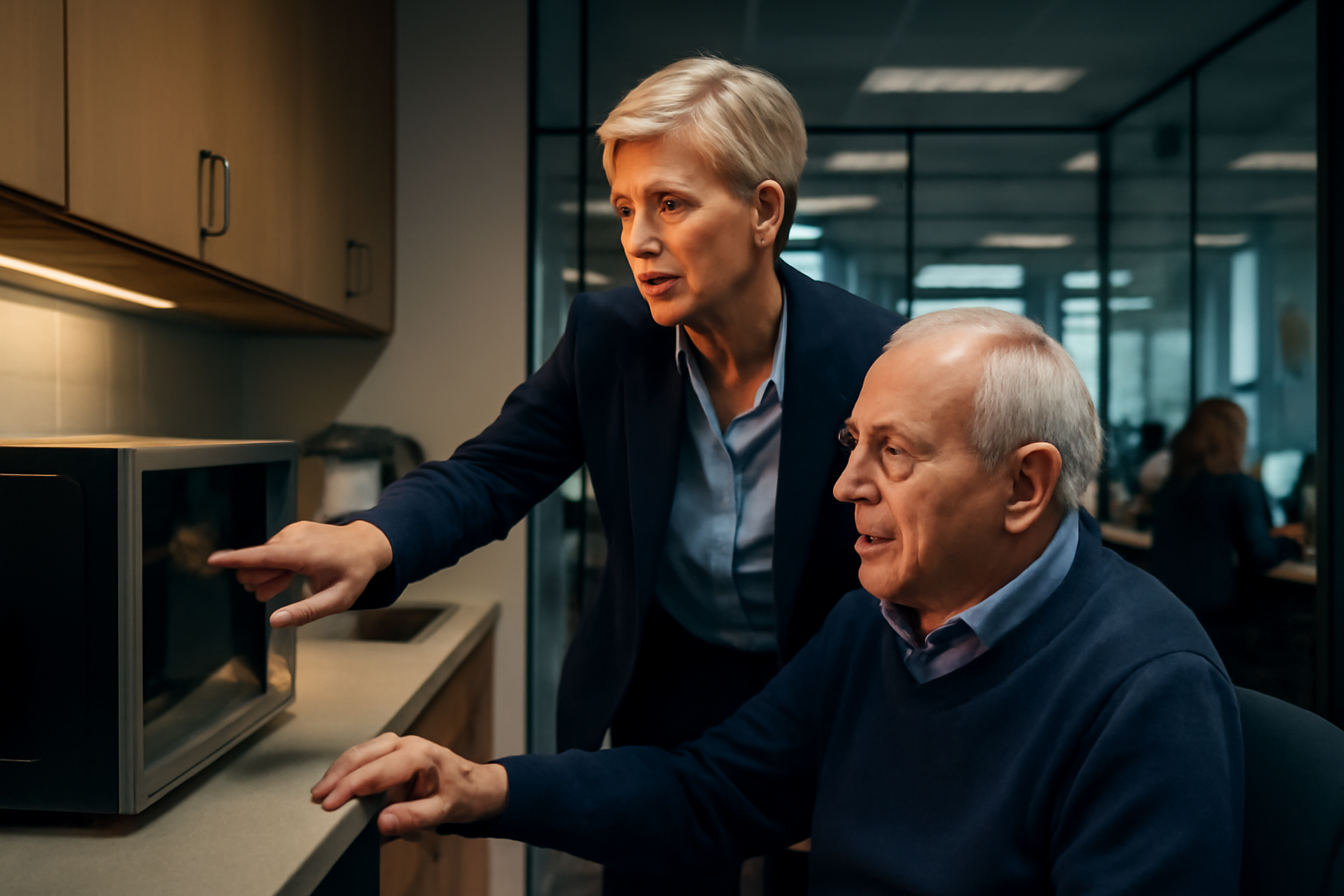
Master Certificate Level 6-7
  • HL-AGE-20282
  • Leadership Stage
  • 500 total marks
  • Pass: 325 marks (65%)
  • Validity: Lifetime
Enrol Now View Brochure
AwardMaster Certificate
Global LevelLevel 6-7
Total Marks500
Pass Mark325 (65%)
Subjects6
Chapters30
Classes180

About This Certification

Who Is This For?

This certification is designed for senior professionals and leaders in product development, design, and usability research. Ideal candidates should have extensive experience in product innovation or management within the ageing sector and seek to advance their skills in creating age-friendly solutions.

Course Curriculum

6 subjects • 30 chapters • 180 classes
01
Future Trends in Ageing Product Solutions
5 chapters • 30 classes • 50 marks • 20h
Understanding the Ageing Population: Demographics and Needs 6 classes
1.1 Explore the Demographics of the Ageing Population
1.2 Identify Key Needs and Challenges Faced by Older Adults
1.3 Investigate the Impact of Ageing on Everyday Product Use
1.4 Analyze Trends in Consumer Behavior within the Ageing Demographic
1.5 Develop Strategies for Designing Inclusive Products for Older Adults
1.6 Evaluate Current Innovations in Ageing Product Solutions
Design Principles for Age-Friendly Products 6 classes
2.1 Identify Key Principles of Age-Friendly Product Design
2.2 Analyze User Needs in the Ageing Population
2.3 Explore Innovative Materials and Technologies for Accessibility
2.4 Evaluate Ergonomic Design Elements for Ease of Use
2.5 Develop Prototypes for Age-Friendly Solutions
2.6 Test and Gather Feedback on Product Usability
Technological Innovations in Aiding Ageing 6 classes
3.1 Explore Current Technological Trends in Aiding Ageing
3.2 Analyze the Impact of Smart Home Devices on Independent Living
3.3 Identify Assistive Technologies for Cognitive Support in Older Adults
3.4 Evaluate Wearable Health Monitoring Devices for Elderly Users
3.5 Design User-Centric Products for Enhanced Usability in Ageing
3.6 Propose Future Innovations for Ageing Population Needs
Regulatory Standards and Compliance for Ageing Products 6 classes
4.1 Explore the Importance of ISO 20282 in Product Design
4.2 Identify Key Regulatory Standards Impacting Ageing Products
4.3 Analyze Compliance Requirements for Everyday Products
4.4 Discuss Challenges in Meeting ISO 20282 Standards
4.5 Develop Strategies for Ensuring Regulatory Compliance
4.6 Evaluate Case Studies of Successful Ageing Product Solutions
Future Trends in Ageing Product Solutions 6 classes
5.1 Identify Key Trends Influencing Ageing Product Solutions
5.2 Analyze User Needs of the Ageing Population in Product Design
5.3 Explore Technological Innovations Enhancing Product Usability
5.4 Evaluate Case Studies of Successful Ageing Product Solutions
5.5 Design a Prototype for an Ageing-Friendly Product
5.6 Present and Receive Feedback on Ageing Product Innovations
02
Policy Development for Inclusive Design
5 chapters • 30 classes • 50 marks • 20h
Understanding Inclusive Design Principles for Ageing Populations 6 classes
1.1 Define Inclusive Design and Its Importance for Ageing Populations
1.2 Identify Key Challenges Faced by Ageing Users in Product Interaction
1.3 Explore Universal Design Principles and Their Applicability to Ageing Users
1.4 Analyze Case Studies of Inclusive Design in Everyday Products
1.5 Evaluate Tools and Methods for Assessing Product Accessibility for Ageing Users
1.6 Develop Practical Strategies to Implement Inclusive Design in Product Development
Identifying Barriers and Challenges in Product Usability for Older Adults 6 classes
2.1 Identify Common Usability Barriers for Older Adults
2.2 Analyze Specific Product Challenges Faced by Seniors
2.3 Explore Psychological and Physical Factors Affecting Usability
2.4 Evaluate Case Studies of Usability Failures in Everyday Products
2.5 Develop Strategies to Overcome Identified Usability Barriers
2.6 Implement Inclusive Design Principles in Product Development
Evaluating Current Policies and Standards for Ageing Populations 6 classes
3.1 Identify Key Policies Impacting Ageing Populations
3.2 Analyze Current Standards Under ISO 20282
3.3 Assess the Effectiveness of Existing Inclusive Design Policies
3.4 Compare Global Policies on Ageing and Inclusivity
3.5 Engage Stakeholders in Policy Evaluation for Ageing Populations
3.6 Propose Improvements to Current Policies for Enhanced Ease of Operation
Developing Strategic Frameworks for Inclusive Design Policy 6 classes
4.1 Assess Current Policies for Inclusive Design
4.2 Identify Key Stakeholders in Policy Development
4.3 Define Objectives for an Inclusive Design Framework
4.4 Analyze Barriers to Implementation of Inclusive Policies
4.5 Develop Action Plans for Effective Policy Adoption
4.6 Evaluate the Impact of Inclusive Design Policies
Collaborative Approaches and Stakeholder Engagement in Policy Development 6 classes
5.1 Identify Key Stakeholders in Inclusive Design Policy Development
5.2 Analyze Collaborative Approaches for Effective Stakeholder Engagement
5.3 Develop Communication Strategies for Diverse Stakeholder Groups
5.4 Facilitate Collaborative Workshops for Policy Ideation
5.5 Evaluate the Impact of Stakeholder Feedback on Policy Outcomes
5.6 Create an Action Plan for Sustained Stakeholder Involvement
03
Usability Testing Methodologies
5 chapters • 30 classes • 75 marks • 20h
Foundations of Usability Testing for Ageing Populations 6 classes
1.1 Understand Key Usability Concepts for Ageing Users
1.2 Identify Unique Challenges Faced by Ageing Populations
1.3 Explore Principles of Inclusive Design for Usability
1.4 Evaluate Existing Usability Testing Methods for Older Adults
1.5 Develop Effective Usability Test Plans Tailored for Ageing Users
1.6 Analyze Usability Test Results to Improve Product Design
Designing Effective Usability Tests 6 classes
2.1 Define Usability Testing Goals for the Ageing Population
2.2 Identify Key User Demographics and Needs in Usability Studies
2.3 Select Appropriate Usability Testing Methods and Techniques
2.4 Develop Effective Tasks and Scenarios for Testing
2.5 Implement Usability Tests with Ageing Participants
2.6 Analyze and Report Usability Test Findings for Improved Design
Recruitment and Engagement of Older Participants 6 classes
3.1 Identify Key Characteristics of Older Participants
3.2 Develop Effective Recruitment Strategies for Older Adults
3.3 Create Inclusive Engagement Techniques for Participants
3.4 Employ Ethical Considerations in Participant Recruitment
3.5 Analyze Barriers to Participation for Older Users
3.6 Evaluate Feedback and Adapt Recruitment Approaches
Data Collection Techniques in Usability Testing 6 classes
4.1 Identify Key Data Collection Techniques for Usability Testing
4.2 Analyze Qualitative vs. Quantitative Data in Usability Studies
4.3 Design Effective Surveys to Gather User Feedback
4.4 Implement Observational Techniques for Usability Testing
4.5 Utilize Usability Metrics to Assess Product Performance
4.6 Evaluate Data Collection Tools for Usability Testing
Analyzing Usability Test Results for Design Improvements 6 classes
5.1 Identify Key Usability Metrics for Analysis
5.2 Collect and Organize User Feedback Effectively
5.3 Interpret Usability Test Data for Insightful Findings
5.4 Prioritize Issues Based on User Needs and Impact
5.5 Develop Design Improvement Recommendations from Analysis
5.6 Present Usability Findings to Stakeholders Persuasively
04
Strategic Management in Product Development
5 chapters • 30 classes • 100 marks • 30h
Understanding ISO 20282 and Its Relevance to Product Development 6 classes
1.1 Explore ISO 20282: Foundations of Product Development Standards
1.2 Recognize the Importance of User-Centric Design for the Ageing Population
1.3 Analyze Key Components of ISO 20282 Relevant to Product Design
1.4 Assess Current Products' Compliance with ISO 20282 Guidelines
1.5 Develop Strategies for Integrating ISO 20282 in Product Development Processes
1.6 Implement Real-World Applications of ISO 20282 in Case Studies
Identifying User Needs and Preferences of the Ageing Population 6 classes
2.1 Analyze Demographic Trends of the Ageing Population
2.2 Conduct Surveys to Gather User Preferences
2.3 Identify Common Barriers in Product Usage for Older Adults
2.4 Evaluate Impacts of Physical Limitations on Product Interaction
2.5 Develop User Persona Profiles for the Ageing Demographic
2.6 Prototype Solutions Based on User Insights and Feedback
Integrating Human-Centric Design Principles in Product Development 6 classes
3.1 Define Human-Centric Design Principles for Everyday Products
3.2 Identify Needs and Challenges of the Ageing Population
3.3 Explore Case Studies of Successful Human-Centric Product Designs
3.4 Analyze User Feedback to Improve Product Functionality and Usability
3.5 Develop Prototyping Techniques for Human-Centric Products
3.6 Implement Strategies for Integrating Design Principles in Product Development
Strategic Planning for Market Viability and Compliance 6 classes
4.1 Analyze Market Needs for Ageing Population Products
4.2 Evaluate Compliance Standards for Product Development
4.3 Identify Strategic Objectives for Product Viability
4.4 Develop a Strategic Plan for Market Entry
4.5 Integrate User Feedback into Product Design
4.6 Assess the Impact of Strategic Decisions on Market Compliance
Evaluating Product Effectiveness and Continuous Improvement 6 classes
5.1 Analyze User Feedback for Product Improvement
5.2 Identify Key Performance Indicators for Effectiveness
5.3 Conduct Comparative Evaluations with Competitor Products
5.4 Implement Continuous Improvement Strategies in Development
5.5 Measure the Impact of Changes on User Experience
5.6 Develop a Sustainability Plan for Long-Term Product Effectiveness
05
Design Principles for Age-Friendly Products
5 chapters • 30 classes • 125 marks • 40h
Understanding Age-Friendly Design Principles 6 classes
1.1 Define Age-Friendly Design Principles
1.2 Identify Key Needs of the Ageing Population
1.3 Explore Universal Design Concepts in Age-Friendly Products
1.4 Analyze Case Studies of Successful Age-Friendly Designs
1.5 Develop Prototypes for Age-Friendly Product Features
1.6 Evaluate Feedback Methods for Age-Friendly Product Improvement
User-Centric Research and Analysis 6 classes
2.1 Identify User Needs Through Surveys and Interviews
2.2 Analyze Data to Distinguish Patterns in User Behaviour
2.3 Create Personas to Represent Diverse User Profiles
2.4 Conduct Usability Testing to Gather Feedback on Prototypes
2.5 Evaluate Design Solutions Against User-Centric Criteria
2.6 Present Findings and Recommendations for Age-Friendly Product Design
Ergonomics and Usability in Product Design 6 classes
3.1 Assessing User Needs in Ergonomic Design
3.2 Identifying Key Ergonomic Principles for Age-Friendly Products
3.3 Evaluating Usability Features: Tools and Techniques
3.4 Designing for Physical Limitations: Case Studies
3.5 Prototyping Age-Friendly Design Solutions
3.6 Testing Usability with the Target Age Group
Accessible Technology Solutions for Ageing Users 6 classes
4.1 Identify Key Accessibility Challenges for Ageing Users
4.2 Explore Design Principles that Enhance Usability
4.3 Analyze Case Studies of Successful Age-Friendly Technologies
4.4 Develop Prototypes for Accessible Technology Solutions
4.5 Evaluate User Feedback on Product Usability
4.6 Present Innovative Ideas for Future Age-Friendly Products
Evaluating and Implementing Age-Friendly Designs 6 classes
5.1 Identify Key Characteristics of Age-Friendly Products
5.2 Assess User Needs Through Empathy Mapping
5.3 Analyze Existing Age-Friendly Designs for Effectiveness
5.4 Develop Evaluation Criteria for Product Usability
5.5 Conduct Usability Testing with Ageing Users
5.6 Iterate Design Solutions Based on User Feedback
06
Understanding Ageing and Product Usability
5 chapters • 30 classes • 100 marks • 30h
Fundamentals of Ageing: Understanding the Demographic Shift 6 classes
1.1 Analyze the Demographic Shift: Understanding the Ageing Population Trends
1.2 Explore the Physical Changes Associated with Ageing and Their Impact on Usability
1.3 Evaluate Cognitive Changes Over Time: Implications for Product Design
1.4 Identify the Unique Needs of Older Adults in Everyday Product Use
1.5 Discuss the Role of Technology in Enhancing Usability for Ageing Consumers
1.6 Apply Usability Principles: Designing Everyday Products for the Ageing Population
Physical and Cognitive Changes in Ageing: Their Impact on Usability 6 classes
2.1 Identify Physical Changes in Ageing and Their Effects on User Interaction
2.2 Explore Cognitive Changes in Ageing and Their Influence on Decision-Making
2.3 Analyze Case Studies of Usability Challenges Faced by Older Adults
2.4 Evaluate Design Principles for Enhancing Usability for the Ageing Population
2.5 Apply Usability Testing Techniques Focused on Older Users
2.6 Develop Recommendations for Improving Everyday Product Usability for Seniors
User-Centered Design Principles for the Ageing Population 6 classes
3.1 Identify Key User-Centered Design Principles for Ageing Adults
3.2 Evaluate Common Usability Challenges Faced by the Ageing Population
3.3 Analyze Case Studies of Successful Age-Friendly Product Designs
3.4 Apply User Feedback Methods to Improve Product Usability for Seniors
3.5 Design a Prototype Incorporating Age-Friendly Usability Features
3.6 Assess Your Product Prototype Against ISO 20282 Standards for Accessibility
Evaluating Product Usability: Tools and Techniques 6 classes
4.1 Identify Key Usability Criteria for Ageing Population Products
4.2 Explore Quantitative Measurement Tools for Product Usability
4.3 Apply Qualitative Assessment Techniques in Usability Evaluations
4.4 Conduct Heuristic Evaluations with a Focus on Accessibility
4.5 Utilize User Testing to Gather Feedback from Older Adults
4.6 Analyze Data from Usability Studies to Inform Product Design
Implementing ISO 20282 Standards: Best Practices for Designers 6 classes
5.1 Analyze User Needs of the Ageing Population
5.2 Explore Key Principles of ISO 20282 Standards
5.3 Evaluate Product Design for Accessibility and Usability
5.4 Apply Best Practices in User Interface Design
5.5 Develop Prototypes Incorporating ISO 20282 Guidelines
5.6 Assess and Revise Designs Based on User Feedback

Assessment & Grading

Assessment Methods
  • Written Examination
  • Practical Assignment
  • Portfolio Assessment
Theory
50%
Practical
35%
Project
15%
ISO 20282 — Ease of Operation of Everyday Products for Ageing Population
Master Certificate Level 6-7
  • HL-AGE-20282
  • Leadership Stage
  • 500 total marks
  • Pass: 325 (65%)
  • Validity: Lifetime
  • ISO Health
Enrol Now View Brochure
Enrol Now

Related Certifications


Chat with us
📩 Student Enquiry

Interested in
ISO 20282 — Ease of Operation of Everyday Products for Ageing Population?

Fill in the short form and our admissions team will contact you within 1–2 business days with fees, start dates, and everything you need to enrol.

🎓
Course Fees & Payment Plans
Full cost breakdown, instalment options, and any funded routes available.
📅
Start Dates & Schedule
Upcoming cohorts, online and classroom session options.
📜
Certification & Assessment
How the exams work, pass requirements, and what your certificate covers.
🌍
Nearest Accredited Centre
Locate a LAPT-approved training centre in your country or city.
🇬🇧 UK Registered 📋 UKRLP Listed 🌐 150+ Countries ⭐ Since 2003

Send Your Enquiry

We reply within 1–2 business days. No spam, ever.

📩 Send Enquiry

ISO 20282 — Ease of Operation of Everyday Products for Ageing Population

Chat with us