|
LAPT
London Academy of Professional Training
Certificate
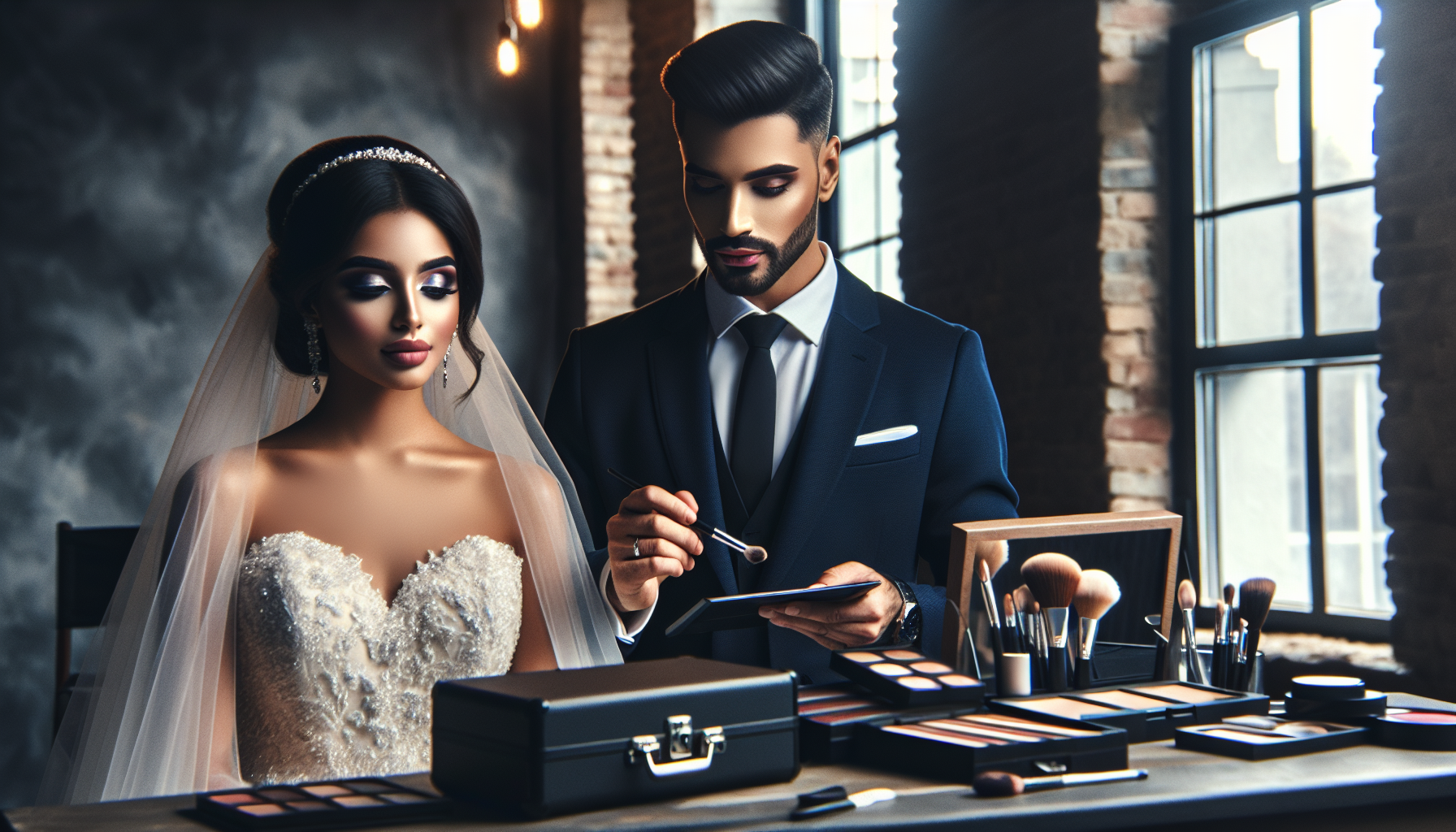
Advanced Certificate in Bridal & High-Fashion Makeup
Practitioner Level
REF: BE-MKA-P
• Beauty Centres
• Makeup Artistry
|
| 6Subjects | 30Chapters | 180Classes | 440Total Marks | 60%Pass Mark | LifetimeValidity |
At a Glance
| Reference | BE-MKA-P |
| Award | Certificate |
| Assessment | 440 marks — 264 to pass (60%) |
| Prerequisites | None |
| Validity | Lifetime |
| Awarding Body | LAPT — London Academy of Professional Training |
Curriculum
| 1 | Bridal Makeup Techniques | 5 chapters · 30 classes 90 marks |
• 1 Understanding Bridal Makeup Dynamics — 6 classes
› 1.1 Exploring the History and Trends of Bridal Makeup
› 1.2 Analyzing Skin Types and Undertones for Brides
› 1.3 Mastering the Art of Long-Lasting Foundation Techniques
› 1.4 Enhancing Natural Beauty with Eye Makeup for Brides
› 1.5 Designing Custom Bridal Makeup Looks
› 1.6 Adapting Makeup Techniques for Diverse Bridal Cultures
• 2 Skin Preparation Techniques for Brides — 6 classes
› 2.1 Understanding Skin Types and Conditions for Brides
› 2.2 Selecting the Right Products for Bridal Skin Care
› 2.3 Mastering Cleansing Techniques for Radiant Skin
› 2.4 Exfoliating and Moisturizing for Long-lasting Makeup
› 2.5 Customizing Primers for Different Skin Needs
› 2.6 Creating a Soothing Pre-Makeup Ritual
• 3 Color Theory and Product Application — 6 classes
› 3.1 Understanding the Basics of Color Theory in Makeup
› 3.2 Identifying Skin Undertones and Their Impact on Bridal Makeup
› 3.3 Selecting the Perfect Foundation: Matching Products to Skin Tone
› 3.4 Creating Harmonious Eye Makeup Using Complementary Colors
› 3.5 Blush and Lipstick Selection: Enhancing Features with Color
› 3.6 Applying and Layering Products for a Long-lasting Bridal Look
• 4 Enhancing Facial Features for Bridal Looks — 6 classes
› 4.1 Understanding Facial Anatomy for Bridal Makeup
› 4.2 Analyzing Skin Types and Preparation Techniques
› 4.3 Perfecting Base Application for Long-Lasting Wear
› 4.4 Sculpting with Contour and Highlight for Definition
› 4.5 Crafting Elegant Eye Makeup to Enhance Expression
› 4.6 Selecting and Applying Lip Colours for Flattering Finishes
• 5 Creating Long-Lasting High-Fashion Bridal Looks — 6 classes
› 5.1 Understanding Skin Preparation for Longevity
› 5.2 Mastering Base Makeup for Bridal Durability
› 5.3 Creating Eye Makeup That Stands Out and Stays
› 5.4 Designing Long-Lasting Lip Looks
› 5.5 Setting Techniques for Comprehensive Wear
› 5.6 Implementing Bridal Touch-Up Strategies
| 2 | High-Fashion Makeup Design | 5 chapters · 30 classes 90 marks |
• 1 Understanding High-Fashion Makeup Trends — 6 classes
› 1.1 Identifying Key High-Fashion Makeup Trends
› 1.2 Analyzing Seasonal Influences on Makeup Styles
› 1.3 Exploring Iconic Makeup Looks from Fashion Runways
› 1.4 Interpreting Makeup Trends for Diverse Skin Tones
› 1.5 Adapting High-Fashion Trends to Client Needs
› 1.6 Experimenting with Trend-Driven Makeup Techniques
• 2 Color Theory and Application in Fashion Makeup — 6 classes
› 2.1 Understanding the Color Wheel in Makeup
› 2.2 Analyzing Color Harmonies for Fashion Designs
› 2.3 Identifying Undertones and Their Influence
› 2.4 Blending Techniques for Vibrant Fashion Looks
› 2.5 Strategizing Color Application for High-Impact Styles
› 2.6 Experimenting with Creative Color Palettes
• 3 Techniques for Catwalk and Editorial Makeup — 6 classes
› 3.1 Understanding the Essentials of Catwalk Makeup
› 3.2 Analyzing Iconic High-Fashion Looks
› 3.3 Mastering Colour Theory for Editorial Impact
› 3.4 Techniques for Flawless Skin Finishes
› 3.5 Crafting Bold Eye Makeup for the Runway
› 3.6 Executing Timeless Red Carpet Lip Styles
• 4 Incorporating Texture and Materials in Makeup — 6 classes
› 4.1 Exploring the Role of Texture in High-Fashion Makeup
› 4.2 Identifying Materials for Texture Enhancement
› 4.3 Techniques for Creating Textured Effects
› 4.4 Combining Textures with Color and Light
› 4.5 Analyzing High-Fashion Makeup Looks Featuring Texture
› 4.6 Developing a Textured Makeup Portfolio Piece
• 5 Concept Development and Execution — 6 classes
› 5.1 Understanding Fashion Trends and Inspiration Sources
› 5.2 Analyzing Iconic High-Fashion Makeup Looks
› 5.3 Developing a Personalized Mood Board for Makeup Design
› 5.4 Translating Conceptual Ideas into Makeup Blueprints
› 5.5 Executing a High-Fashion Makeup Look from a Concept
› 5.6 Refining and Evaluating Makeup Designs for Runway Readiness
| 3 | Skin Analysis and Product Selection | 5 chapters · 30 classes 65 marks |
• 1 Understanding Skin Types and Conditions — 6 classes
› 1.1 Identifying Different Skin Types
› 1.2 Analyzing Skin Conditions
› 1.3 Assessing Skin Health
› 1.4 Selecting Suitable Skincare Products
› 1.5 Tailoring Makeup Products to Skin Types
› 1.6 Addressing Common Skin Concerns in Makeup Application
• 2 Techniques for Comprehensive Skin Analysis — 6 classes
› 2.1 Understanding Skin Types and Characteristics
› 2.2 Identifying Common Skin Conditions
› 2.3 Examining Skin Tone and Undertones
› 2.4 Conducting Visual and Tactile Skin Assessments
› 2.5 Analyzing Skin Health and Concerns
› 2.6 Selecting Appropriate Products for Diverse Skin Needs
• 3 Ingredients and Their Benefits for Skin — 6 classes
› 3.1 Understanding Basic Skin Physiology for Makeup
› 3.2 Identifying Key Ingredients in Skincare Products
› 3.3 Analyzing Ingredient Labels for Effectiveness
› 3.4 Evaluating Benefits of Natural vs. Synthetic Ingredients
› 3.5 Matching Ingredients to Skin Types
› 3.6 Selecting Products to Enhance Makeup Longevity
• 4 Product Selection for Bridal Scenarios — 6 classes
› 4.1 Understanding Bridal Skin Types and Conditions
› 4.2 Identifying Allergy and Sensitivity Factors
› 4.3 Selecting Foundations for Diverse Bridal Occasions
› 4.4 Tailoring Skincare Products for Pre-Wedding Routines
› 4.5 Choosing Complimentary Colour Palettes for Bridal Looks
› 4.6 Customizing Product Selection for Unique Bridal Themes
• 5 Advanced Techniques for High-Fashion Makeup — 6 classes
› 5.1 Understanding High-Fashion Makeup Aesthetics
› 5.2 Analyzing Skin Types for Optimal Makeup Application
› 5.3 Choosing the Right Products for High-Fashion Looks
› 5.4 Developing Advanced Colour Theory Techniques
› 5.5 Mastering Contouring and Highlighting for High-Fashion
› 5.6 Perfecting Long-Lasting Finishes for High-Fashion Events
| 4 | Makeup Trend Analysis | 5 chapters · 30 classes 65 marks |
• 1 Understanding the Evolution of Makeup Trends — 6 classes
› 1.1 Tracing the History of Makeup Trends
› 1.2 Identifying Influences on Makeup Evolution
› 1.3 Analyzing Key Makeup Eras and Their Impact
› 1.4 Examining Socio-Cultural Shifts in Makeup Trends
› 1.5 Recognizing Current Makeup Movements
› 1.6 Applying Trend Analysis to Bridal & High-Fashion Makeup
• 2 Analyzing Current High-Fashion Makeup Trends — 6 classes
› 2.1 Understanding High-Fashion Makeup Trends
› 2.2 Identifying Key Elements in Current Trends
› 2.3 Analyzing Trend Influencers in the Fashion Industry
› 2.4 Comparing Traditional vs. Emerging Makeup Styles
› 2.5 Evaluating the Impact of Technology on Makeup Trends
› 2.6 Applying Trend Analysis to Creative Makeup Design
• 3 Bridal Makeup Trends Across Cultures — 6 classes
› 3.1 Exploring Diverse Bridal Makeup Traditions
› 3.2 Identifying Key Elements in Cultural Bridal Makeup
› 3.3 Analyzing Influences of Cultural Context on Bridal Cosmetics
› 3.4 Comparing Western and Non-Western Bridal Makeup Styles
› 3.5 Assessing Modern Trends in Global Bridal Makeup
› 3.6 Designing a Culturally-Inspired Bridal Makeup Look
• 4 The Impact of Social Media on Makeup Trends — 6 classes
› 4.1 Exploring the Rise of Makeup Trends on Social Media
› 4.2 Identifying Influential Platforms in Makeup Trends
› 4.3 Analyzing Viral Makeup Challenges and Their Effects
› 4.4 Understanding the Role of Influencers in Trend Creation
› 4.5 Examining Consumer Behavior in the Age of Digital Media
› 4.6 Applying Social Media Insights to Enhance Makeup Artistry
• 5 Predicting Future Makeup Trend Directions — 6 classes
› 5.1 Understanding Influences on Makeup Trends
› 5.2 Analyzing Past Trends to Predict Future Directions
› 5.3 Exploring Societal and Cultural Impacts on Makeup Styles
› 5.4 Evaluating Technological Advances in Makeup Production
› 5.5 Identifying Key Indicators of Emerging Makeup Trends
› 5.6 Applying Trend Analysis Techniques to Forecast Future Styles
| 5 | Professional Ethics in Makeup Artistry | 5 chapters · 30 classes 65 marks |
• 1 Understanding Professional Ethics in Makeup Artistry — 6 classes
› 1.1 Defining Professional Ethics in Makeup Artistry
› 1.2 Recognizing the Importance of Client Confidentiality
› 1.3 Implementing Ethical Practices in Diverse Work Environments
› 1.4 Managing Conflicts of Interest in Makeup Artistry
› 1.5 Upholding Professional Integrity and Trust
› 1.6 Navigating Ethical Dilemmas in Real-World Scenarios
• 2 Client Confidentiality and Trust — 6 classes
› 2.1 Understanding Client Privacy in Makeup Artistry
› 2.2 Importance of Building Trust with Clients
› 2.3 Strategies for Maintaining Client Confidentiality
› 2.4 Legal Aspects of Client Data Protection
› 2.5 Communicating Confidentiality Policies Effectively
› 2.6 Applying Ethical Principles in Real-World Situations
• 3 Cultural Sensitivity and Inclusivity — 6 classes
› 3.1 Understanding Cultural Diversity in Makeup
› 3.2 Identifying and Avoiding Cultural Appropriation
› 3.3 Embracing Inclusivity in Makeup Techniques
› 3.4 Researching Cultural and Traditional Attires
› 3.5 Communicating Respectfully with Diverse Clients
› 3.6 Applying Inclusive Practices in High-Fashion Makeup
• 4 Professional Boundaries and Conduct — 6 classes
› 4.1 Understanding Professional Boundaries
› 4.2 Establishing Client Trust and Confidentiality
› 4.3 Navigating Client Interactions with Professionalism
› 4.4 Maintaining Ethical Standards in Makeup Artistry
› 4.5 Recognizing and Avoiding Conflicts of Interest
› 4.6 Implementing Ethical Decision-Making Practices
• 5 Ethical Decision-Making in Challenging Situations — 6 classes
› 5.1 Understanding Ethical Standards in Makeup Artistry
› 5.2 Identifying Common Ethical Dilemmas in Bridal and Fashion Makeup
› 5.3 Analyzing Client Expectations and Ethical Boundaries
› 5.4 Evaluating Cultural Sensitivities and Inclusivity in Makeup Choices
› 5.5 Developing Strategies for Ethical Conflict Resolution
› 5.6 Applying Ethical Principles in Real-World Makeup Scenarios
| 6 | Portfolio Development | 5 chapters · 30 classes 65 marks |
• 1 Understanding Portfolio Purpose and Audience — 6 classes
› 1.1 Defining the Role of a Makeup Portfolio
› 1.2 Identifying Your Portfolio Audience
› 1.3 Researching Audience Expectations and Trends
› 1.4 Crafting a Cohesive Portfolio Narrative
› 1.5 Selecting Work Samples to Match Your Narrative
› 1.6 Tailoring Your Portfolio for Different Audiences
• 2 Curating and Showcasing Bridal Makeup Styles — 6 classes
› 2.1 Understanding Bridal Aesthetics in Different Cultures
› 2.2 Selecting Appropriate Color Palettes for Bridal Looks
› 2.3 Applying Advanced Techniques for Timeless Bridal Makeup
› 2.4 Crafting Personalized Bridal Styles for Diverse Clients
› 2.5 Capturing Makeup Details for Portfolio Presentation
› 2.6 Creating a Compelling Narrative for Bridal Makeup Portfolios
• 3 Highlighting High-Fashion Makeup Techniques — 6 classes
› 3.1 Understanding High-Fashion Makeup Trends
› 3.2 Analyzing High-Fashion Makeup Inspirations
› 3.3 Mastering Contouring Techniques for High-Fashion
› 3.4 Creating Bold and Artistic Eye Makeup
› 3.5 Experimenting with Avant-Garde Lip Designs
› 3.6 Integrating Techniques into a Personal Portfolio
• 4 Photography and Presentation Skills for Makeup Portfolios — 6 classes
› 4.1 Understanding the Role of Photography in Makeup Portfolios
› 4.2 Exploring Lighting Techniques for Effective Makeup Photography
› 4.3 Mastering Camera Angles to Highlight Makeup Details
› 4.4 Composing Visually Appealing Portfolio Shots
› 4.5 Editing Photos to Enhance Makeup Features
› 4.6 Curating and Presenting a Professional Makeup Portfolio
• 5 Personal Branding and Online Portfolio Development — 6 classes
› 5.1 Understanding Personal Branding in Makeup Artistry
› 5.2 Crafting Your Unique Brand Identity
› 5.3 Designing an Engaging Online Portfolio
› 5.4 Selecting and Showcasing Your Best Work
› 5.5 Optimizing Your Portfolio for Search and Accessibility
› 5.6 Promoting Your Brand and Engaging with Your Audience
| LAPT — 85 Great Portland Street, W1W 7LT, London, United Kingdom info@lapt.org • +44 7513 283044 • lapt.org |
UKPRN 10067351 • Company 4984798 Curriculum current at the date of issue. |